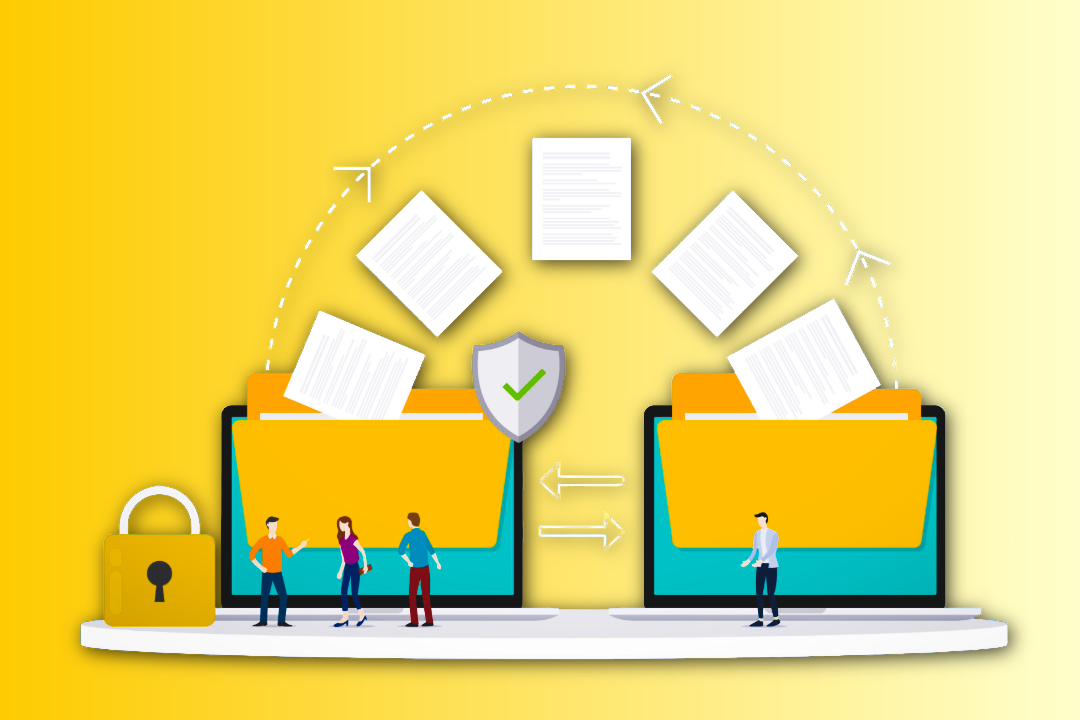
Switching accounting or inventory software is often delayed not because businesses want to stay with outdated systems, but because they fear disruption.
Many of these risks can be reduced by first implementing integrated systems that align data across departments before migration begins.
Data loss, downtime, and staff retraining are legitimate concerns. Ironically, delaying migration often costs more in lost efficiency than the migration itself.
Key takeaway: A well-run migration is less about replacing software and more about upgrading the way the business operates every day.
A smooth migration focuses on data integrity, parallel validation, workflow alignment, and user enablement. This is also the ideal time to introduce custom workflows that eliminate manual steps going forward.
Historical transactions, inventory balances, and financial records should be preserved. Old and new systems should run side by side briefly to confirm accuracy. Processes should be mapped before migration - not after. Teams should be trained early to reduce resistance.
Platforms like CustomBooks™ are designed with migration tools and support that minimize risk and downtime.
Good migrations preserve history and verify accuracy before teams fully switch over.
New systems create the perfect moment to remove redundant steps and automate what never should have been manual.
Migration is not just a technical change — it is an operational reset.
Businesses often discover redundant workflows, unused data, and manual steps that can be automated. Modern systems allow teams to simplify while transitioning.
Organizations often evaluate the ROI of automation before committing to a full migration strategy.
The right time is usually earlier than you think. If reconciliation takes days, reports are delayed, or inventory data is not trusted, the current system is already costing you.
That cost does not usually show up as a single line item, but it shows up everywhere in slower operations and weaker visibility.
✓ Migrating from outdated systems improves operational visibility and reporting accuracy.
✓ Modern platforms reduce reconciliation work and manual processes.
✓ Structured migration planning ensures smooth implementation and minimal disruption.
Industries with higher operational complexity tend to benefit more, as explained in automation by industry.
Ready to move from fragmented workflows to a more connected system?